Last updated: August 10, 2026
- In one 2023 Consumer Financial Protection Bureau survey, 4 in 10 teens said they spend money on impulse, so simple rules matter.
- For teen money rules avoiding overspending on clothes, food, and extras, the fix is not some elaborate budget.
- What are the best teen money rules for avoiding overspending on clothes, food, and extras?
- This works best for teens who like style but do not want closets full of almost-worn items.
Quick Answer: For teen money rules avoiding overspending on clothes, food, and extras, use three rules: clothes need a use test, food needs a hunger check plus a weekly limit, and extras need a 24-hour wait. In one 2023 Consumer Financial Protection Bureau survey, 4 in 10 teens said they spend money on impulse, so simple rules matter.
A bank balance can look fine one minute and oddly thin the next. For teen money rules avoiding overspending on clothes, food, and extras, the fix is not some elaborate budget. It is a short list of hard rules so cash stops slipping away in little buys nobody remembers later.
I write about personal finance for young people because the real problem is usually not one giant mistake. Rather, it is a hundred small ones: another hoodie, another snack run, another app purchase, another “I’ll pay my friend back later.” The CFPB’s youth money guidance says small, repeated choices are exactly what make budgets fail.
What are the best teen money rules for avoiding overspending on clothes, food, and extras?
The best teen money rules for avoiding overspending on clothes, food, and extras are the ones you can follow before you’re hungry, scrolling, or standing in line. A spending plan wins here — especially for teens who get money from allowances, part-time work, birthdays, or family help and need that money to last. A “vibes” budget is basically guessing.
And guessing gets expensive.
The biggest mistake I see is treating every purchase as separate; if spending feels hard to control, consult a parent, guardian, counselor, or financial professional. A shirt feels small. A smoothie feels small. A pack of accessories feels small. None of them seems like a problem until your cash is gone. So the plan has to decide first. The CFPB recommends giving every dollar a job.
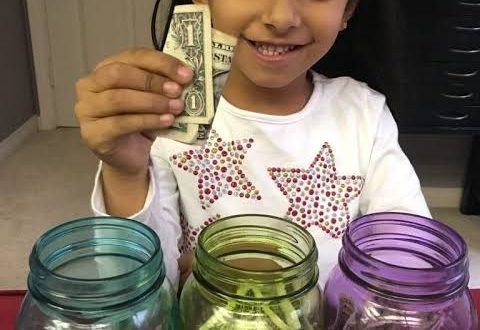
For clothes, food, and extras, I would use three buckets:
– Needs: basic clothes replacement, school lunch, necessities
– Planned wants: a specific jacket, a few dining-out meals, one game item
– Impulse buys: anything unplanned that hits you because you are bored, hungry, or trying to keep up
The strength of a spending plan is that it forces trade-offs. Want a new pair of sneakers? Then something else gets cut. Want takeout twice this week? That means fewer snacks or less money for extras. Simple. Brutal, honestly. But useful.
The weakness is obvious: it feels restrictive at first. Set the rules too tightly, and you may rebel and blow past them. So the plan has to be realistic, not perfect. A teen-friendly budget should leave room for some fun or it will fail the first time your friends make a plan after school.
Clothes: Buy Less, Buy Better, and Stop Shopping to Fix a Mood
Clothes are where teen spending gets sneaky, so buy clothes because you need them or truly want them for a specific reason, not because shopping feels like something to do. One good deal can turn into three unnecessary items. Retail therapy? Usually a trap.
I would use a “wear count” rule. Before buying a piece, ask: will I wear this enough to justify it? If you cannot name outfits you already own that go with it, skip it. That one question cuts down a lot of random purchases.
A second rule: wait before buying non-urgent clothes. See something online or in a store? Give yourself time. If you still want it after the first rush passes, it’s more likely to be a real choice. Most impulse clothes are exciting for a day and forgotten quickly.
This works best for teens who like style but do not want closets full of almost-worn items. It also helps if your money is limited and you need your wardrobe to do real work.
The downside is that you can miss out on a good piece if you overthink everything. Sometimes a practical item is worth buying now, especially if you genuinely need it for school, weather, or a required event. The rule is not “never buy clothes.” It is “do not confuse want with boredom.” That difference matters.
My honest advice: cap your clothing money before you start shopping. A limit makes the decision harder in a good way. Once the limit is used, you stop. That is what keeps clothes from eating the rest of your spending.
Food: Never Spend Hungry, Bored, or Trying to Keep Up
Food often wins as the fastest place to overspend, because hunger destroys judgment. When you buy food while starving, everything looks worth it. If you buy food just because friends are doing it, you end up paying for the social moment, not the meal.
My first rule is to eat before you go shopping, hang out, or scroll delivery apps. That sounds basic, but it saves money because you make calmer choices. A full stomach is cheaper than a hungry one.
My second rule is to set a weekly food allowance for extras: snacks, drinks, café runs, bubble tea, takeout, dessert. If your family already covers meals, this bucket is just for optional spending. If you buy lunch yourself, then your food money needs a split between necessary meals and fun food. Don’t blur those.
This approach is best for teens who spend small amounts on food over and over. Those purchases feel harmless, but they are sticky. They also happen in social settings, which makes them harder to say no to. A clear food limit gives you a reason that is about money, not awkwardness.
The weakness is social pressure. Food is often the easiest way to join friends, and you do not want to become the person who never participates. So I would not recommend a zero-food-fun rule. Pick a number of times you can say yes, then use those moments intentionally.
One more rule: if you are ordering delivery, check the full cost before you commit. Fees and extras can turn a casual meal into a much bigger spend than the menu made it look like. I am not giving a magic number here because that depends on where you live and what you order. I am saying the same thing I’d tell a younger sibling: slow down before you tap “confirm.”
Extras: Small Purchases Are Where Your Money Quietly Dies
Extras are the hardest category because they do not look serious. A game add-on, a beauty item, a phone case, a drink, a subscription trial, a cute accessory, a charity event treat — each one feels tiny. Together, they can wreck your week’s spending.
My rule for extras is the strictest one: if it was not planned, it waits at least one day. If you still want it tomorrow, you can decide then. Most extras fade once the moment passes. Blink, and the urge is gone.
This works best for teens who spend from a card or app and do not physically see cash leaving. Digital money is easy to ignore. That is why extras are dangerous: there is no empty wallet in your hand to remind you to stop.
The strength of this rule is that it cuts out emotional buying. You do not need to ban every fun purchase. You need to separate genuine desire from the rush of seeing something new.
The weakness is that one-day waits are not enough for every purchase. If something is a real need, waiting can be annoying or even impractical. A school requirement or replacement item should not get trapped behind a “maybe later” rule. So I would separate extras from necessities with no debate. Extras wait. Needs do not.
Another honest limit: this rule does not save you if your friends constantly nudge you into spending. If your social circle turns every outing into a purchase, you need a harder boundary than a delay. In that case, the solution is not a better buying trick. It is saying, “I’m coming, but I’m not buying.”
The Honest Side-by-Side
The strongest teen money rule is not “buy only what is on sale” or “never spend.” It is this: put all non-necessary spending into categories and set a rule for each one. Clothes need a use test. Food needs a hunger check and a weekly limit. Extras need a delay.
| Criteria | Clothes Rule | Food Rule | Winner for [condition] |
|---|---|---|---|
| Main purpose | Prevents closet clutter and regret buys | Stops repeated small purchases that add up fast | Food, if the problem is daily spending |
| Best trigger to use | Before buying a non-urgent item | Before snacking, ordering, or meeting friends | Food, if social eating is the leak |
| Strongest rule | Ask if you can wear it with what you already own | Eat first, then decide | Clothes, if your closet is already crowded |
| Biggest weakness | It can become overthinking | It can clash with friends’ plans | Depends on your social life |
| Most likely regret | Buying something “cute” that sits unused | Spending too much on one outing | Clothes, for one-off impulse mistakes |
| Works best when money is tight? | Yes, because it keeps wardrobe spending focused | Yes, because food purchases repeat often | Food, if you spend often in small amounts |
| Social pressure factor | Moderate | High | Clothes, if you spend mostly alone |
| How fast it saves money | Medium | Fast | Food, if habits are frequent |
| Best use | Wardrobe purchases with a real purpose | Lunch, snacks, drinks, and hangout food | Extras, for impulse buys across all categories |
The table above is the real answer: you do not need one magical rule. You need the right rule for the right kind of spending. Generic advice misses that. Teen overspending is not one problem. It is three different habits wearing the same outfit.
What should teens do instead of a vibes budget?
Teens should replace a vibes budget with a simple spending plan, then check it once a week. Start by setting a number for clothes, a number for food extras, and a number for extras. Then track what you actually spent. The CFPB’s budgeting tools recommend reviewing spending regularly, and a weekly check is easier than fixing a mess at the end of the month.
For example, if you get $60 a month in spending money, you might split it into $20 for clothes, $25 for food extras, and $15 for extras. If you get paid every two weeks, divide those numbers by two and keep the same logic. Specific numbers make it easier to stop. Vague goals do not.
Another useful comparison is clothes vs. food vs. extras. Clothes are usually the slowest leak, food is often the fastest leak, and extras are the easiest to ignore because they are so small. That is why the best rule changes by category.
Our Verdict: Which One to Choose and Why
Choose the clothes rule if your main problem is buying things you do not actually wear. Choose the food rule if your money disappears in small, repeated food purchases with friends or on the go. Neither if you are ignoring the basics: tracking what you spend, setting a limit, and separating needs from wants.
My actual recommendation is to start with food if you overspend in multiple places, because food usually drains money faster and more quietly. Then add the clothes rule so your wardrobe stops becoming a collection of almost-right purchases. Finish with the extras rule, because that is the one that protects you from the tiny buys that do the most damage over time.
If you only use one rule, you will miss too much. A teen can be careful with clothes and still blow money on snacks and drinks. Another teen can control food but keep buying “just one more” accessory. The spending habits are different, so the defense should be different too.
I would not choose a strict no-spending mindset. That backfires. Teens need some flexibility or the plan feels fake. The point is not to become the person who never buys anything. The point is to stop spending in ways you do not even remember later.
When to Reconsider This Choice Entirely
The overall approach flips in a few situations.
First, if you have a real clothing gap for school, weather, work, or a required event, the clothes rule should loosen. Necessity beats waiting.
Second, if your food spending is tied to genuine social connection, the answer is not always “say no.” Sometimes it is “pick one thing and skip the rest.” You can join the hangout without funding every part of it.
Third, if your spending is happening because of stress, sadness, or boredom, a money rule alone will not fix it. That is a warning sign that the problem is bigger than shopping or snacks. In that case, talk to a parent, guardian, counselor, or another trusted adult. For mental health or serious money stress, professional support can help.
Fourth, if you use cashless payment constantly and never check balances, the first fix is visibility. Rules work better when you actually see the money leaving. A spending tracker, app, or simple note can make the problem impossible to ignore.
My bottom line is plain: teens overspend on clothes, food, and extras because each purchase feels small in isolation. The cure is not shame. It is friction. Make clothes prove their use, make food wait until you are thinking clearly, and make extras sit for a day. That is how you stop bleeding money one tiny purchase at a time.