Last updated: August 10, 2026
- A teen with $20 in birthday cash faces a real choice, not a theory problem.
- Lots of articles jump straight to “save 50%” or the 50/30/20 rule.
- That is the core of how teens can decide what spend, save, give.
- Only then choose how much can be spent, saved, and given.
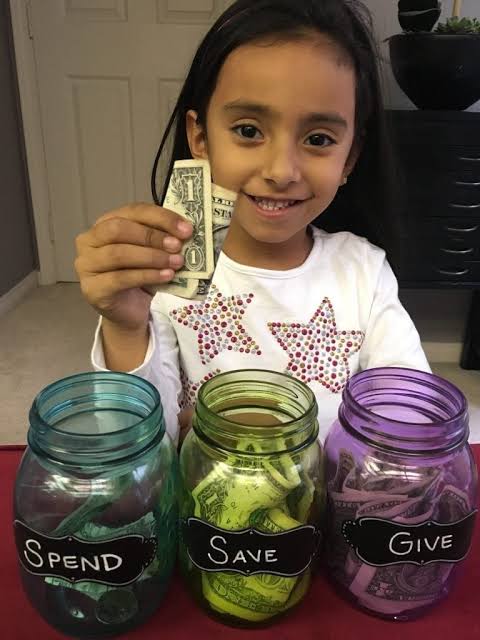
A teen with $20 in birthday cash faces a real choice, not a theory problem. Spend it now? Save it for later? Hand some over to a cause or a friend? My blunt answer is this: cover what you need soon, stash away money for anything bigger than a week’s worth of pocket cash, and give only after those first two jobs are handled. That is the core of how teens can decide what spend, save, give. Simple? Sort of. But the right split shifts with your income, your goals, and whether the money comes from gifts, chores, a part-time job, or random one-offs.
Start With Your Real Money Situation, Not a “Perfect” Split
A steady weekly allowance can work with a percentage plan. Irregular money usually cannot. Birthday cash, holiday gifts, babysitting, lawn work, selling things — those arrive in lumps, and rigid rules crack fast when the money does not show up on schedule.
Lots of articles jump straight to “save 50%” or the 50/30/20 rule. I would not. Teen life is messier than that. You might need lunch money, bus fare, app purchases, sports gear, a field trip, a gift for a friend, or a repair. So the first question is not “What percentage is right?” It is simpler: “What has this money got to do before the next time I get paid?”
Here is the order I’d use:
- List money you already know is coming in this month.
- List required spending: school costs, transportation, lunch, phone, basic personal items.
- List near-term wants that fit your money plan.
- List one medium goal: a bike, headphones, concert ticket, emergency cushion, savings challenge.
- Decide what has to be covered before the next payday or gift.
- Only then choose how much can be spent, saved, and given.
When income is tiny, the answer may be plain: spend most of it on what matters now, set aside a little, and give a token amount if you want to practice generosity. When income is larger, you can widen the savings bucket. Easy. Not glamorous, just workable.
According to the Consumer Financial Protection Bureau, a budget works best when it matches real income and real bills, not an ideal split; for teens, that usually means deciding each dollar’s job before spending it. CFPB
| Situation | Best Path | Why Other Options Fail |
|---|---|---|
| Small, irregular cash flow | Cover needs first, then save a little, then give from leftovers | Fixed percentages can leave you short on basics |
| Regular allowance or paycheck | Use a percentage split and track it | Guessing leads to impulse spending |
| Mostly gift money | Assign each gift to a job right away | Unassigned cash disappears fast |
| Money tied to a near-term goal | Save for the goal before flexible spending | “I’ll save what’s left” usually becomes nothing |
Quick check: random money calls for a different plan, doesn’t it? A percentage rule by itself probably won’t hold up.
The Three Questions That Decide the Split
To decide what to spend, save, and give, I’d start with three questions in this order: What do I need soon? What do I want later? What matters enough to share? Those answers beat any cookie-cutter rule.
1) What do I need soon?
Money that covers something in the next week or two belongs in spending, not savings. Lunch money. Transit. School supplies. A birthday card. A replacement charger. Dip into savings for those things, and the “save” bucket never gets anywhere.
2) What do I want later?
If the item costs more than you usually carry in your wallet, then it belongs in savings. Maybe it is a new phone, a concert, a game console, a winter coat you want to pick yourself, or a larger emergency cushion. Saving is just spending with a delay.
3) What matters enough to share?
If you care about helping family, church, school causes, a local fundraiser, or someone in a rough spot, then giving can be part of the plan. But if giving would force you to skip needed basics or drag out a goal that really matters, keep the amount small and deliberate, not guilt-driven.
A rule I like for teens: never give money you will resent giving. Otherwise generosity turns into regret. And resentment spreads. If you are unsure whether giving should come before a goal or a bill, a parent, guardian, or counselor can help you sort it out.
A simple decision path looks like this:
- Put money aside for anything you must pay for before the next time money comes in.
- Set a savings target for one specific goal, not a vague “someday” fund.
- Choose a giving amount only after the first two jobs are covered.
- Keep a small flexible spending amount so you do not feel trapped.
- Review the split every time your income changes.
If you want a starting point and your money is regular, begin with spend a little less than half, save a meaningful chunk, and give a small piece. Too tight? Lower the giving piece first, not the savings piece. Honestly, that trade-off tends to hurt less.
Quick check: one near-term need, one real goal, one cause you care about — that is enough to sort your money.
If You Get Allowance, Use One Plan; If You Earn Your Own Money, Use Another
Allowance and gifts can be handled like practice. Earned money is different. When you make your own cash from a part-time job or freelance work, it is too easy to think, “I worked for this, so I can spend it.” Normal thought. Bad outcome.
If you get allowance or birthday money
Then I’d use a simple split like this:
- Spend on immediate wants and small needs.
- Save for something you truly care about.
- Give a small amount if that is part of your values or family tradition.
Upside: it teaches control without turning money into homework. Downside: if the allowance is tiny, a strict split can feel fake. In that case, save in very small amounts and focus on consistency. Tiny is fine. Really.
If you earn money yourself
Then I’d use a tighter system because earned money disappears faster when you feel “I worked for this, so I can spend it.” That feeling is normal. It is also why paychecks vanish.
A better path:
- Put money into separate places right away.
- Move a set amount into savings as soon as you get paid.
- Keep spending money available in cash or in a checking/debit account.
- Put giving in its own small bucket or envelope.
- Refill the buckets only after each payday.
Real tools can help. A teen checking account, a debit card with sub-accounts, or plain envelopes can all work. Want fewer impulse buys? Cash still has bite because you see it leave. Want cleaner tracking? Digital buckets are neater. Pick your poison.
If your income is uneven
Then save percentages, not leftovers. Leftovers vanish.
- Look at the average amount you make over a month, not just one good week.
- Pick a minimum savings amount you can hit even on weak weeks.
- Keep a spending floor so you do not feel deprived.
- Give only from money that is truly free.
- Adjust after two or three months.
Quick check: unstable income needs buckets more than a percentage rule.
When Saving Should Beat Spending

A fun purchase today can feel better. Sure. But if you are choosing between that and a bigger goal, the real question is not “Which one feels better?” It is “Which one will I still want next week?” If the bigger goal wins, save first.
I would treat saving as the priority when any of these are true, but a parent, guardian, or financial professional can help if the choice is not clear:
- The item you want costs more than you can replace quickly.
- You have a goal with a deadline.
- You tend to make impulse buys and then regret them.
- You do not have any cushion for surprise costs.
The usual advice says, “Save for the future.” Too vague. Saving works better when it has a job. A jar labeled “concert,” “bike repair,” “prom,” or “phone replacement” pulls harder than a jar labeled “savings.” Names matter more than people admit.
If you do not know what to save for, start with a small emergency cushion. That is not an adult-style emergency fund. It just means enough to cover a surprise haircut, bus fare, replacement earbuds, school supply, or small fee without borrowing from next week.
Here is the part many articles skip: saving is not only about discipline; it is also about timing. Save all the time but never spend on things that actually matter, and your plan turns into punishment. Spend everything, and your plan becomes chaos. The sweet spot is the one that lets you buy something meaningful later without panic.
A practical process:
- Pick one savings goal.
- Name the exact item or cost.
- Estimate how many paydays or gift occasions it will take.
- Set aside savings immediately when money comes in.
- Do not reopen that money for impulse buys.
- When the goal is met, decide the next goal before the money drifts.
Quick check: if you keep saying, “I’ll save later,” then the saving needs to happen before spending, not after. Simple. Harsh, but simple.
When Giving Makes Sense—and When It Should Wait
If giving matters to you, teens should absolutely practice it. But if giving money leaves you unable to handle your own basics, the amount is too high for your current situation.
Giving can take different forms:
- a small amount for a cause you care about
- a birthday contribution for a friend
- helping a sibling with a small need
- a family tradition of donating
- time instead of money
Money giving is easiest when the amount is tiny and planned. Unplanned giving is where trouble starts. If someone asks you for money on the spot, pause. A kind response is not the same thing as an immediate yes.
Use this test:
- If the request fits your values and your budget, give.
- If it fits your values but not your budget, give less.
- If it does not fit your values or your budget, say no.
That may sound blunt, but teens get pushed into giving from guilt, pressure, or fear of seeming cheap. I’d rather a teen give a small amount they can afford than a large amount that creates resentment or leaves them broke. If the request is about a debt, a family obligation, or a repeated ask, it can help to talk it through with a parent or another trusted adult before deciding.
A good giving plan is usually modest. You do not need a dramatic percentage to be generous. Habit matters more than performance.
- Decide what kinds of causes or people you want to support.
- Set a small amount aside when money comes in.
- Keep the money separate until you choose where it goes.
- Give without raiding your spending or savings buckets.
- Review after each month or major money event.
Quick check: if giving would force you to skip a real need, your “yes” should probably be “not this time.”
A Simple Decision Rule You Can Actually Use
Want one rule that works most of the time? Use this: cover needs, fund one goal, then split the rest between spending and giving in amounts that do not sabotage next month.
Here is a clean way to do it:
- First bucket: needs. School, transport, lunch, required supplies, small fees.
- Second bucket: one savings goal. A named item or emergency cushion.
- Third bucket: spending money. Fun, extras, small treats.
- Fourth bucket: giving. A cause, person, or tradition you care about.
This beats trying to be perfect on day one. Teens learn money by adjusting, not by nailing a spreadsheet immediately.
If you want a starting split and you have regular money, I would begin with:
– enough for needs,
– a real savings portion,
– a modest spending amount,
– and a small giving piece.
If your needs are already fully covered by parents or guardians, then you can shift more toward saving and giving. If your needs are not covered, then spending should shrink first, not savings.
The honest downside of this system: it makes you say no to some purchases. That is the whole point. A money plan that never says no is not a plan; it is a wish.
One more thing: do not punish yourself for mistakes by taking all the fun out of money. Overspend one week? Do not declare yourself “bad with money.” Adjust the buckets and move on.
Quick check: if your plan leaves you unable to buy anything fun, it is too strict; if it leaves you with nothing saved, it is too loose.
Edge Cases: When Normal Advice Breaks Down
If your situation is unusual, the neat spend/save/give split needs to bend. These are the cases that matter most.
| Situation | What Changes | What to Do Instead |
|---|---|---|
| You owe money to a parent, sibling, or friend | Debt comes before giving and most fun spending | Repay on a schedule before adding new purchases |
| You are saving for one urgent goal, like a school trip | The goal is time-sensitive, not optional | Put most spare money into that goal until it is funded |
| Your family expects you to contribute at home | “Spending” may include household help, not personal wants | Treat required contributions as needs, then split what remains |
| You struggle with impulse buys | The problem is access, not math | Use cash, remove saved money from easy reach, and wait 24 hours before nonessential buys |
| You have very little money | Percentages stop being useful | Focus on needs and one tiny savings habit; give only if it does not hurt basics |
| You get gifted cash with instructions | The giver may have already assigned the money | Respect the purpose first unless it clearly conflicts with your safety or needs |
If you are paying back someone, I would not pretend giving is the priority. Debt first. If you are racing toward a deadline, savings first. When the clock is ticking, that math stops working fast.
According to FINRA’s investor education materials, writing down your goal and time frame makes it easier to decide how much to set aside, especially when money is limited. FINRA